
Kaziranga National Park, Assam: A Wildlife Paradise in the Heart of Northeast India
Kaziranga National Park of Assam is one of India’s most treasured natural wonders and a shining example of successful wildlife conservation. Located in the lush floodplains of the Brahmaputra River, Kaziranga is globally renowned for hosting the largest population of the one-horned Indian rhinoceros. Declared a UNESCO World Heritage Site, this iconic national park is a dream destination for nature lovers, wildlife photographers, and eco-tourists from around the world.
Sprawling across vast grasslands, wetlands, and dense forests, Kaziranga National Park, Assam offers an unforgettable experience of raw wilderness, rich biodiversity, and breathtaking landscapes.
The Significance of Kaziranga National Park of Assam
Established in 1905 as a reserved forest and later declared a national park, Kaziranga stands today as one of the finest examples of wildlife protection in India. The park plays a vital role in preserving endangered species and maintaining ecological balance in Northeast India.
Kaziranga National Park Assam is not only famous for rhinos but is also home to the “Big Five” of Assam—the one-horned rhinoceros, Royal Bengal tiger, Asian elephant, wild water buffalo, and swamp deer. Its success in conservation reflects the dedicated efforts of forest authorities and local communities, making Kaziranga National Park of Assam a true conservation success story.
Rich Biodiversity and Wildlife Experience
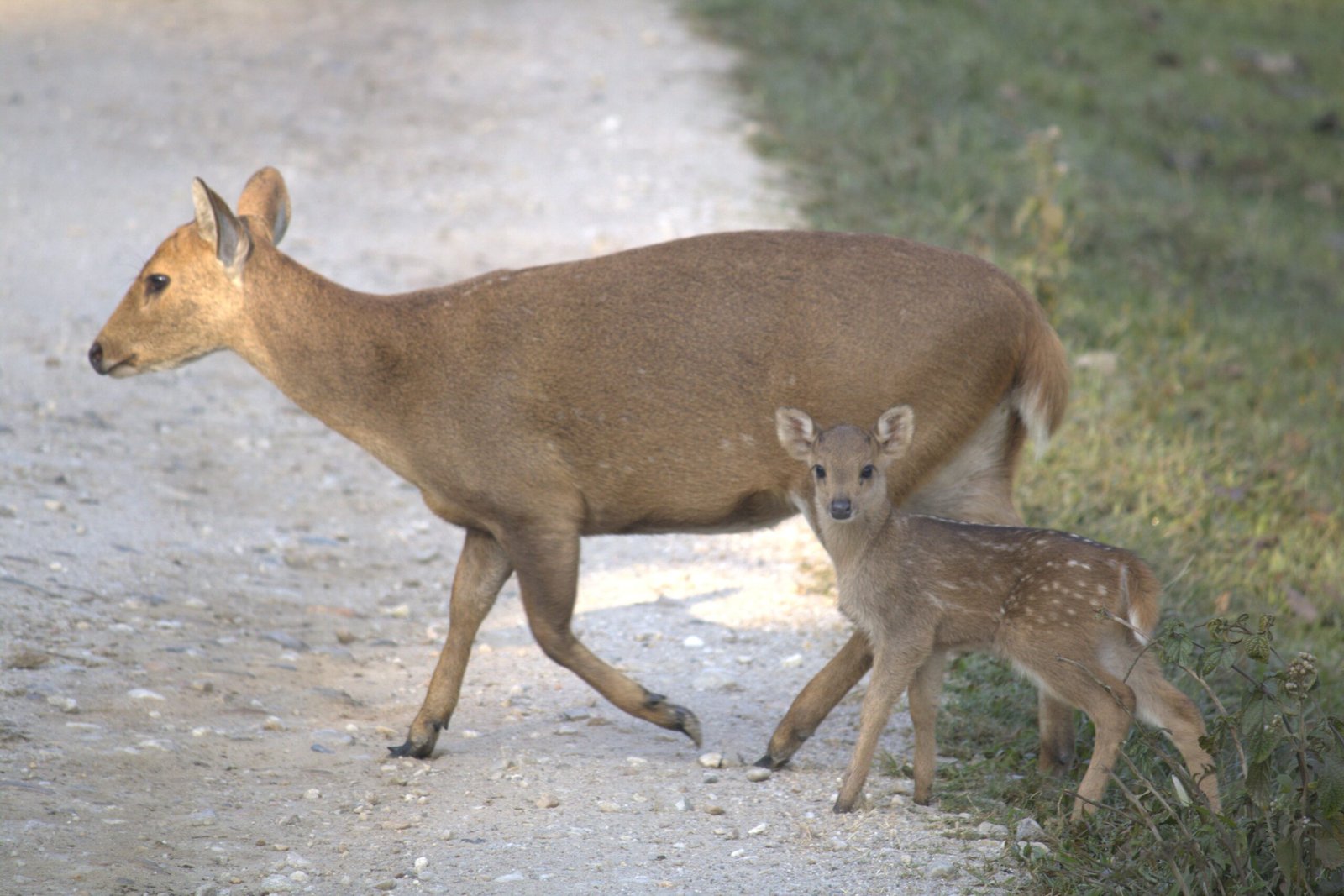
The biodiversity of Kaziranga National Park Assam is nothing short of extraordinary. The park supports over 35 species of mammals, including leopards, sloth bears, hog deer, and Gangetic dolphins found in the nearby Brahmaputra waters.
Kaziranga National Park Assam is also a paradise for birdwatchers, with more than 500 species of resident and migratory birds. During winter, the wetlands come alive with birds like pelicans, storks, bar-headed geese, and various species of ducks. This vibrant birdlife adds immense charm to the park and enhances its reputation as one of Asia’s top wildlife destinations.
Jeep Safari and Elephant Safari Adventures
A visit to Kaziranga National Park of Assam is incomplete without experiencing its thrilling safaris. The park offers Jeep Safaris across its different ranges—Central, Western, Eastern, and Burapahar—each known for unique wildlife sightings and landscapes.
One of the most memorable experiences is the Elephant Safari, conducted in the early morning. Riding atop a trained elephant through misty grasslands offers a close and peaceful encounter with rhinos and other wildlife. These safaris provide visitors with safe, guided access to the park while ensuring minimal disturbance to the animals.
Scenic Beauty and Natural Landscapes
Beyond wildlife, Kaziranga National Park of Assam is celebrated for its stunning natural beauty. Tall elephant grass, serene water bodies, and distant hills create a picture-perfect setting. Seasonal floods of the Brahmaputra enrich the soil and sustain the park’s ecosystem, making it one of the most fertile wildlife habitats in India.
Sunrises and sunsets in Kaziranga are truly magical, painting the sky in warm hues and offering photographers golden moments to capture nature at its best.
Best Time to Visit Kaziranga National Park, Assam
The ideal time to visit Kaziranga National Park of Assam is from November to April, when the park remains open for tourists. The weather during this period is pleasant, and wildlife sightings are frequent.
The park remains closed during the monsoon season due to heavy rainfall and flooding, which, although vital for the ecosystem, makes tourism unsafe. Planning your visit during the open season ensures a comfortable and rewarding experience.
Responsible Tourism and Local Culture
Kaziranga National Park Assam promotes responsible and eco-friendly tourism. Visitors are encouraged to respect wildlife, avoid littering, and follow park guidelines. Local communities play an important role in conservation efforts, and tourism has created sustainable livelihood opportunities for nearby villages.
Travelers can also explore nearby Assamese culture, enjoy traditional cuisine, and experience warm local hospitality. This cultural connection adds depth and positivity to any trip to Kaziranga National Park of Assam.
How to Reach Kaziranga National Park of Assam
Kaziranga is well connected by road and is easily accessible from Guwahati, Assam’s largest city. The nearest airport is Lokpriya Gopinath Bordoloi International Airport, Guwahati, while Furkating Junction is the closest railway station.
Well-maintained highways and scenic routes make the journey to Kaziranga enjoyable, further enhancing the overall travel experience.
Why Kaziranga National Park Assam No-1 Wildlife Safari & One-Horned Rhino
Visiting Kaziranga National Park of Assam is a deeply enriching experience that blends adventure, tranquility, and education. The park’s remarkable conservation success, abundant wildlife, and stunning landscapes leave visitors with lasting memories and a deep appreciation for nature.
Whether you are seeking thrilling safaris, peaceful nature escapes, or meaningful eco-tourism experiences, Kaziranga delivers on every front. Its positive impact on wildlife conservation and sustainable tourism makes it one of the most inspiring destinations in India.
Conclusion
Kaziranga National Park of Assam stands as a proud symbol of India’s natural heritage and conservation excellence. With its thriving wildlife, scenic beauty, and welcoming atmosphere, Kaziranga offers a truly uplifting and unforgettable journey into the wild.
A visit to Kaziranga is not just a trip—it is an experience that connects you with nature, inspires respect for wildlife, and leaves you with a sense of joy and wonder that stays long after you return home.